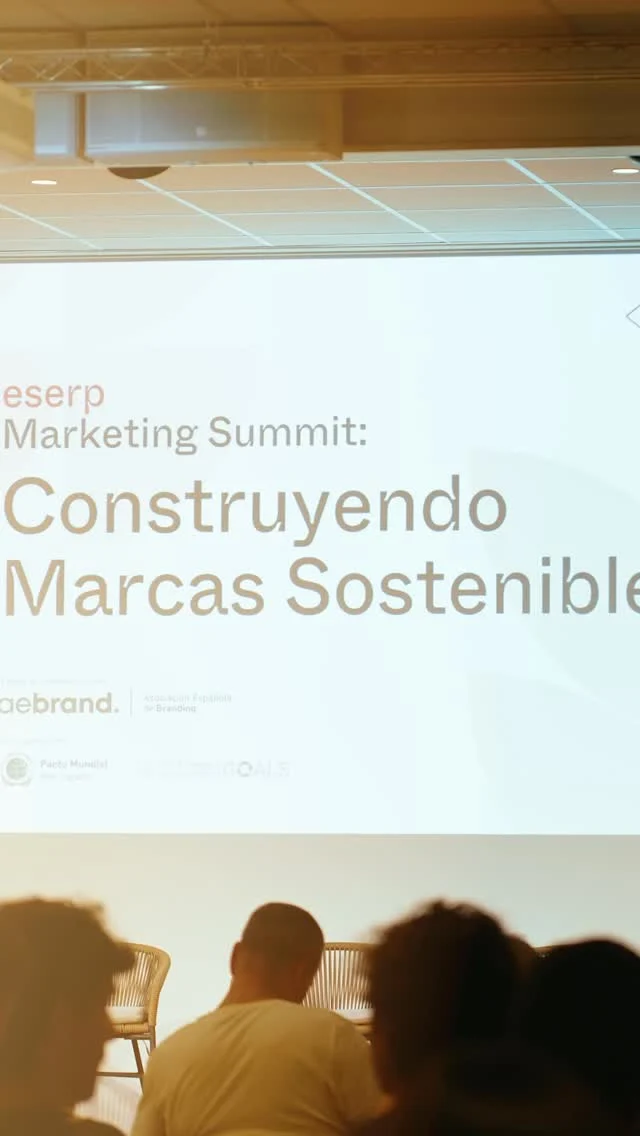
Summit
20
20 mayo 2026

El reconocimiento externo es clave para medir la calidad académica
Eserp cuenta con presencia en rankings nacionales e internacionales y con sellos que avalan su compromiso con la excelencia educativa y la mejora continua. Un modelo académico orientado a la calidad, la empleabilidad y la conexión real con el entorno profesional.

Abierta Matrículación para Grados y Dobles Grados
+ Acreditación en IA, Data, Sostenibilidad y Transformación Digital
Es tu momento de impulsar tu futuro: inscripción abierta, plazas limitadas y becas disponibles.

La mejor forma de entender ESERP es verlo en persona
Visita nuestras sedes y descubre cómo es estudiar en ESERP: programas, profesorado, metodología, entorno... Y todo lo que necesitas saber para tomar una decisión informada.

El reconocimiento externo es clave para medir la calidad académica
Eserp cuenta con presencia en rankings nacionales e internacionales y con sellos que avalan su compromiso con la excelencia educativa y la mejora continua. Un modelo académico orientado a la calidad, la empleabilidad y la conexión real con el entorno profesional.
Abierta Matrículación para Grados y Dobles Grados
+ Acreditación en IA, Data, Sostenibilidad y Transformación Digital
Es tu momento de impulsar tu futuro: inscripción abierta, plazas limitadas y becas disponibles.
Tras más de 40 años formando profesionales y un enfoque práctico e innovador, en ESERP Escuela Superior de Ciencias Empresariales nos hemos consolidado como una de las principales escuelas de negocios en España. Descubre nuestra escuela de negocios: Barcelona, Madrid y Mallorca.
Accede a una red global de oportunidades profesionales gracias a nuestros programas de grados, másteres, ciclos y MBAs. En ESERP, nos distinguimos por una metodología activa, el gran porcentaje de empleabilidad gracias a nuestros vínculos profesionales, el enfoque internacional y un entorno muy dinámico y adaptado a las necesidades del mercado actual.
96 %
+ 145
+ 40 mil
+ 600

Lucía Bayón
Alumni Master & MBA

Ignacio Carretero
Alumni de Marketing & Publicidad

Laura Fernández
Profesora de Marketing & Publicidad

Carlota del Valle
Alumna de Grado en ADE
Lucía Bayón
Alumni Master & MBA
Ignacio Carretero
Alumni de Marketing & Publicidad
Esto está a punto de empezar
Nuevas amistades...
Sep 7

✨ ¡El nuevo curso está cada vez más cerca!
...
Ago 24
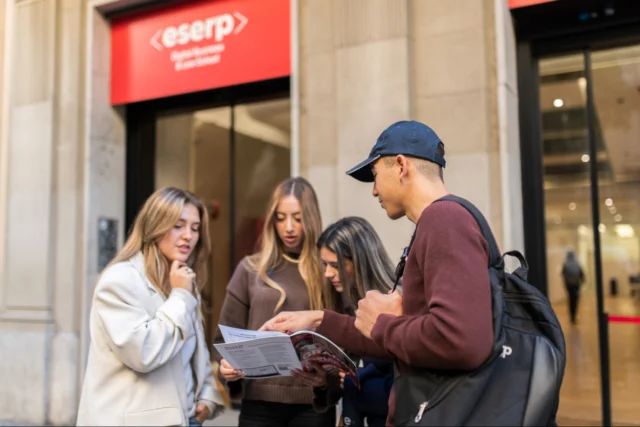
🎓 No ha pasado ni un mes y todavía seguimos...
Ago 13

"¿Y si tu próximo trabajo todavía no existe?"👀...
Ago 4

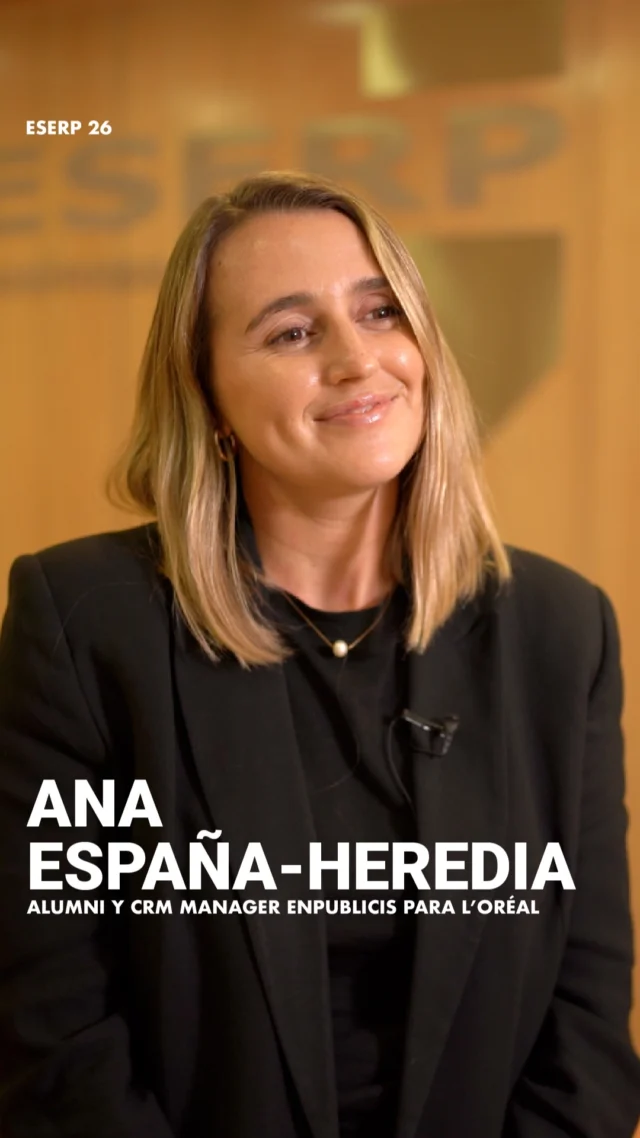
Ana España-Heredia, alumni del Grado en Marketing...
Jul 31
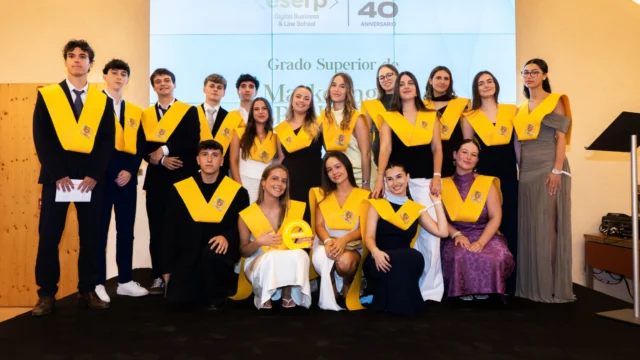
Graduarse no es solo terminar una etapa. Es mirar...
Jul 30

¿Te interesa entender al consumidor, crear marcas...
Jul 29

Descubre nuestra gran y diversa oferta de formación superior y posgrado, con presencia en Barcelona, Madrid y Mallorca. Explora nuestros programas académicos: MBA: Los programas de MBA de la escuela de negocios ESERP te brindan la formación más actualizada en áreas clave de gestión empresarial, liderazgo y estrategia, con un enfoque internacional que te prepara para trabajar en un entorno global. La combinación de experiencia práctica, mentoría personalizada y conexión con empresas líderes te garantiza que estarás listo para los desafíos del mundo de los negocios:
Master: En nuestras escuelas de negocios (Madrid, Barcelona y Mallorca), ofrecemos diversos másteres orientados a la especialización y el avance en la carrera profesional del alumnado y avanzar en su carrera. Combinamos formación teórica avanzada con enfoques prácticos que te permiten obtener una visión global y una preparación de alto nivel para asumir roles de liderazgo:
Grado: Los programas de grado de nuestra escuela de negocios en Madrid y Barcelona están diseñados para proporcionarte una formación universitaria de alta calidad, que te prepare para desarrollar una carrera profesional exitosa en áreas clave como derecho, marketing, criminología, administración de empresas y negocios internacionales:
Doble grado:
Curso executive: Descubre los dos cursos executive de nuestra escuela de negocios en Mallorca:
Ciclo Formativo de Grado Superior: Si tu intención es adentrarte en el mundo de la comunicación y el marketing o en el ámbito de las importaciones y exportaciones, la gestión de comercio exterior y las negociaciones internacionales, nuestros ciclos te proporcionarán las herramientas necesarias para iniciar tu carrera en el sector.
Existen dos vías para acceder a nuestros másteres o MBAs:
Existen dos vías para acceder a nuestros másteres o MBAs:
En ESERP destacamos gracias a nuestra orientación hacia el empleo: todos los grados y ciclos incluyen prácticas obligatorias como parte del currículo, gestionadas por nuestro departamento de empleabilidad (“ESERP Talent”). Los grados y dobles grados de nuestra escuela de negocios en Barcelona, Madrid y Mallorca preparan al alumnado para trabajar en empresas, marketing, consultoría, sector jurídico, comunicación, comercio internacional, entre otros ámbitos relacionados con la empresa y los negocios. Además, gracias a nuestro enfoque en negocio, management, marketing, recursos humanos, organización empresarial, etc., los titulados pueden aspirar a puestos de responsabilidad, gestión empresarial, management, departamentos comerciales, recursos humanos, marketing, consultoría, internacionalización, etc. Si estudias en nuestra escuela de negocios (Madrid, Barcelona o Mallorca) accederás a una gran oportunidad de salidas profesionales diversas y especializadas.
Sí, desde ESERP ofrecemos diversas opciones de becas y financiación para facilitar el acceso a sus programas académicos. Disponemos de becas parciales y opciones de financiación adaptadas a las necesidades de los estudiantes. Puedes consultar nuestros planes de ayudas aquí. Nuestro objetivo es ayudar a los estudiantes de nuestra escuela de negocios en Barcelona, Madrid y Mallorca a acceder a una formación de calidad sin que el presupuesto sea una barrera. Para más detalles sobre las opciones disponibles, los interesados deben ponerse en contacto directamente con el departamento de admisiones.
Esto es lo que nos hace diferentes al resto de escuelas de negocios de Madrid, Barcelona o Mallorca:
Sí, en nuestra escuela de negocios en Madrid, Barcelona y Mallorca ofrecemos a los estudiantes la posibilidad de compaginar los estudios con prácticas en empresas como parte integral de la formación. Para las titulaciones oficiales las prácticas son obligatorias; para las titulaciones propias, son optativas. Estas prácticas permiten a los estudiantes adquirir experiencia laboral directamente relacionada con sus estudios, lo que facilita la integración al mercado laboral y desarrolla habilidades prácticas en entornos empresariales reales. Además, recuerda que en ESERP contamos con acuerdos con empresas líderes en diversos sectores, lo que amplía las oportunidades profesionales para los estudiantes.
Te recomendamos acceder al programa formativo y comprobar el proceso de solicitud específico para cada caso. Intentamos que el proceso de solicitud de plaza y matrícula en nuestra escuela de negocios sea lo más sencillo y transparente posible. Estos son los pasos generales para matricularse en nuestra escuela de negocios: 1. Documentación:
2. Pruebas de Admisión:
3. Resolución:
4. Inscripción/matrícula:
En ESERP, te ofrecemos una formación de calidad en el corazón de las principales ciudades de España: estudia en nuestra escuela de negocios en Barcelona, Madrid o Palma de Mallorca. Te brindamos acceso a programas actualizados y conectados con el mundo real, a través de prácticas profesionales, una formación de calidad y alianzas con empresas líderes. Además, contarás con el apoyo de un equipo académico altamente cualificado y un enfoque personalizado que te ayudará a alcanzar tus metas profesionales. Si estás buscando una educación con reconocimiento internacional, alta empleabilidad y un entorno dinámico y diverso, ESERP es la elección perfecta para tu futuro.